Words Unspoken: Language Loss and the Horizons of Igbo Thought
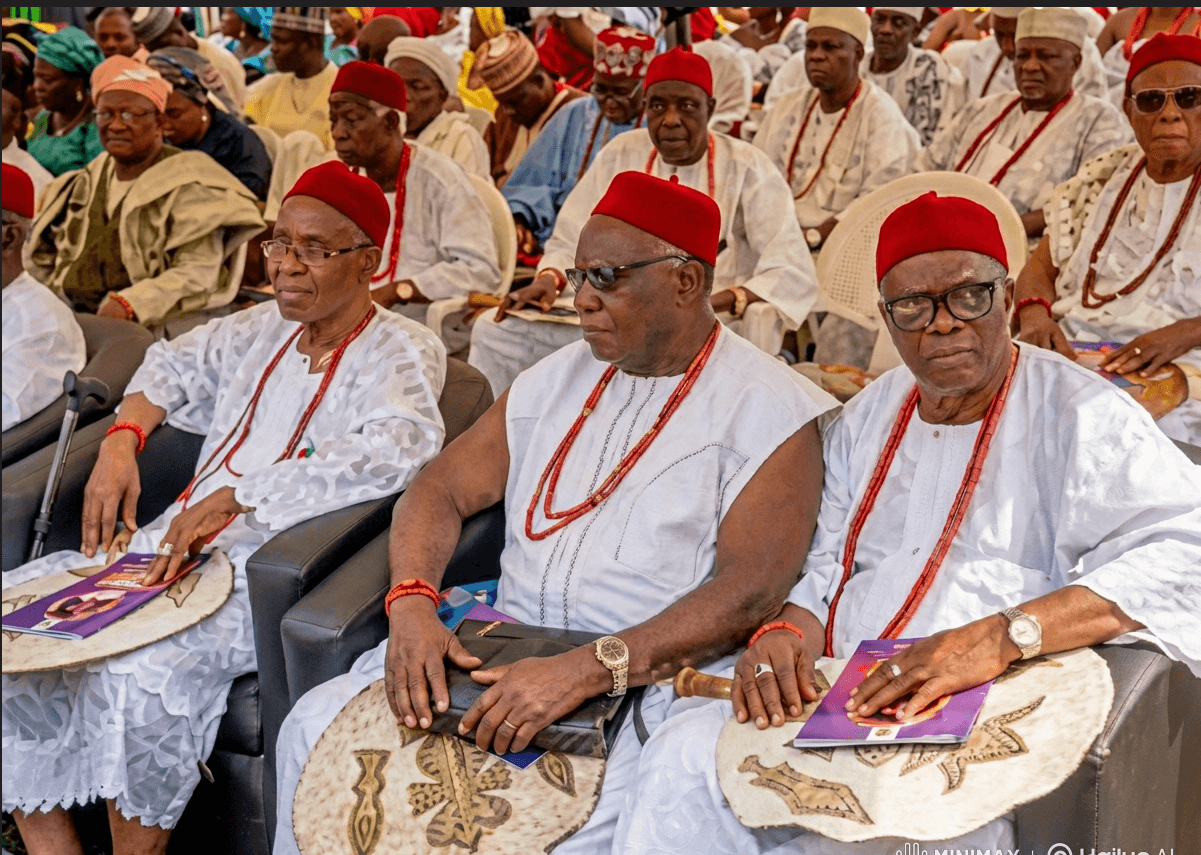
The gradual decline of the Igbo language carries profound implications for the transmission of Igbo thought, knowledge systems, and identity. Examining the phenomenon through historical, cultural, and sociolinguistic lenses reveals that language erosion is not merely a matter of vocabulary loss, but a complex process that shapes—and is shaped by—the evolution of Igbo society.
The loss of the Igbo language poses both challenges and questions for the continuity of Igbo thought. While some aspects of culture, such as economic practices and values, have proven resilient and adaptable, the erosion of the language threatens the deeper transmission of indigenous knowledge, worldviews, and historical memory. By exploring historical context, contemporary pressures, and potential pathways forward, this article offers a balanced, nuanced examination of what is at stake.
The Unspoken Crisis
As dusk settles over an Igbo village, elders once gathered under the ube tree to share proverbs, songs, and histories—in the language of their ancestors. Today, across much of Igboland, such scenes grow rare. It is not only elders who fall silent; it is the very medium of Igbo thought—the language itself—that is fading into quietude. Language loss is not unique to the Igbo, but its consequences for Igbo thought, identity, and future are distinct and deserve careful, balanced reflection.
Language as the Vessel of Thought
Language is more than a tool for communication; it is the architecture of collective memory, the vessel for worldviews, and the primary means by which knowledge is transmitted from one generation to the next. Igbo language encodes not only proverbs and folklore but also ways of reasoning, systems of classification, and subtle social cues. The distinctiveness of Igbo thought—its dialectical reasoning, its emphasis on communal agency, its approach to justice and wealth—has historically been embedded in, and animated by, the language itself.
The decline of the language thus raises the question: What happens to the intellectual and ethical traditions of a people when their language is eroded? Can Igbo thought survive in translation, or will it be gradually supplanted by the logics and values of dominant languages such as English?
Historical Patterns: Loss, Survival, and Adaptation
The erosion of the Igbo language is neither sudden nor inevitable. Colonialism, missionary education, and the imposition of English as the language of administration and aspiration set the stage for linguistic displacement. Postcolonial policies, urban migration, and the rise of globalized media have accelerated this trend. Yet, as explored in previous Eziokwu articles, the Igbo have demonstrated remarkable adaptability: the informal markets and the apprentice system, for example, have thrived even as the linguistic medium in which they originated has receded.
However, economic institutions and cultural practices are not immune to language loss. The rules, values, and tacit knowledge underpinning Igbo markets or the apprentice system are transmitted through language—often via stories, idioms, and untranslatable concepts. When the language weakens, so too does the intergenerational transfer of these practices. The Lejja iron-smelting civilization, once a technological marvel, is now largely remembered through fragmented oral histories—reminding us that technological and intellectual achievements can fade when their linguistic carriers are lost.
Multiple Perspectives: Continuity, Change, and the Role of English
Some voices within Igbo communities argue that so long as core values and practices persist, the loss of language does not necessarily entail the loss of Igbo identity or thought. They point to the enduring relevance of communal solidarity, entrepreneurship, and adaptive social institutions—even when discussed in English or Pidgin. Others counter that the erosion of the language risks a subtler, long-term impoverishment: the loss of unique ways of seeing and making meaning, of proverbs that encapsulate centuries of wisdom, and of the psychological orientation fostered by mother-tongue fluency.
The role of English is particularly complex. On one hand, it provides access to global networks, education, and opportunity. On the other, it often becomes the default medium for home, school, and public life. Children raised in English-dominant environments may recognize Igbo as a cultural asset, but lack the fluency needed to grasp its philosophical depth or to participate fully in its cultural life. The risk is not simply that words will be forgotten, but that the very frameworks for perceiving and interpreting reality will shift.
Media, Memory, and the Scapegoating of Language Loss
Media narratives—both within and outside Nigeria—sometimes frame the decline of the Igbo language as a symptom of cultural abandonment or internal failure. This perspective oversimplifies a much more complex reality. As Eziokwu has previously highlighted, the pressures of marginalization, state policy, and economic necessity have shaped linguistic choices as much as internal attitudes. Blaming ordinary Igbo people for language loss ignores the structural forces at play and risks repeating patterns of scapegoating seen in other domains.
At the same time, it is important to recognize the agency that communities possess. Grassroots efforts—such as the resurgence of interest in Igbo-language literature and digital content, the establishment of language schools, and the celebration of Igbo Day—demonstrate that language revitalization is possible, even in the face of adversity. The question remains whether these efforts can match the scale and speed of linguistic erosion, especially in urban and diaspora contexts.
The Future of Igbo Thought: Between Loss and Renewal
The consequences of language loss are not binary. It is possible for elements of Igbo thought to persist, adapt, or even flourish in new forms and languages. The transmission of core values, economic practices, and historical consciousness can occur through multiple channels. Yet, certain nuances—such as the philosophical concepts embedded in idioms, the ethical dilemmas dramatized in folktales, or the cosmological insights encoded in ritual speech—are difficult to translate without loss.
Some scholars propose that a conscious effort to create new intellectual work in Igbo, to document oral traditions, and to integrate Igbo language education into curricula could slow or reverse the trend. Others suggest a pragmatic approach, accepting the hybridization of Igbo identity and thought within a multilingual, globalized context. Both perspectives recognize that language is neither static nor wholly determinative, but both acknowledge that something vital is at stake.
The Stakes of Silence
The loss of the Igbo language is not an isolated tragedy, but a question about the future contours of Igbo thought and identity. Will the next generation be able to access the wisdom, humor, and resilience encoded in their ancestral tongue? Or will they inherit only fragments, filtered through the lens of another language? There is no simple answer. What is certain, however, is that the fate of the Igbo language will shape not only how Igbo people speak, but how they remember, reason, and imagine their place in the world.
As we consider the path forward, it is essential to move beyond blame and nostalgia, and to engage honestly with the challenges and possibilities that language loss presents. Whether through revival, adaptation, or transformation, the future of Igbo thought depends on the choices made today—by individuals, families, communities, and institutions. The silence of a language is never absolute; it is always the prelude to new questions about who we are, and who we might yet become.