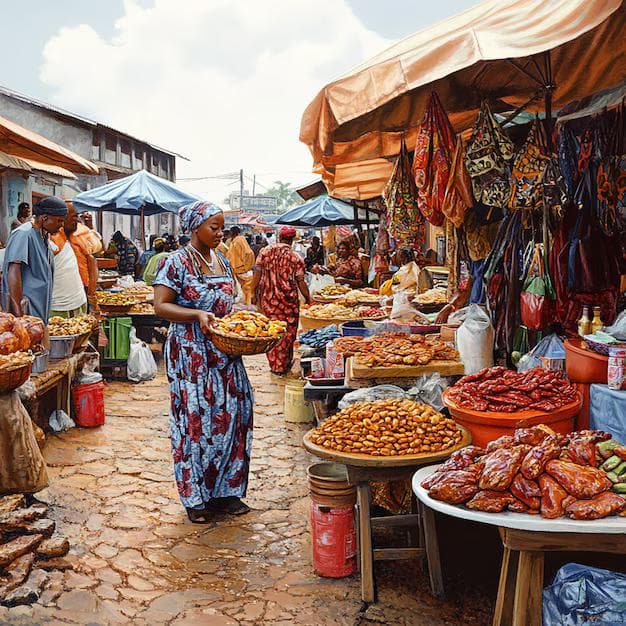
The Igbo Apprentice System: Nigeria’s Indigenous Engine of Wealth and Mobility
Eziokwu Team
The Igbo Apprentice System is Nigeria’s most effective and enduring wealth creation mechanism—a grassroots institution that not only fosters economic mobility but also challenges prevailing stereotypes about the Igbo, demonstrating the power of indigenous models in shaping national prosperity.
Rooted deeply in Igbo culture, the apprentice system has transformed generations of ordinary youths into entrepreneurs, sustaining vibrant markets and driving regional development. By leveraging trust, accountability, and communal responsibility, this system stands as a testament to the ingenuity and resilience of the Igbo people. Its continued relevance offers important lessons for Nigeria’s search for inclusive growth and social cohesion.
Beyond the Marketplace—A Blueprint for Wealth
In the heart of Nigeria’s bustling markets, from Onitsha to Aba and beyond, a quiet revolution has flourished for decades—one that seldom makes headlines but has shaped millions of lives. Known as the Igbo Apprentice System (or “Igba Boi”), this unique model of economic empowerment has consistently produced some of Nigeria’s most successful entrepreneurs, lifted countless families out of poverty, and fostered remarkable social mobility. Yet, its significance extends beyond commerce: the apprentice system embodies an indigenous approach to wealth creation and social cohesion, offering valuable lessons for Nigeria’s broader economic landscape.
The Mechanics of the Igbo Apprentice System
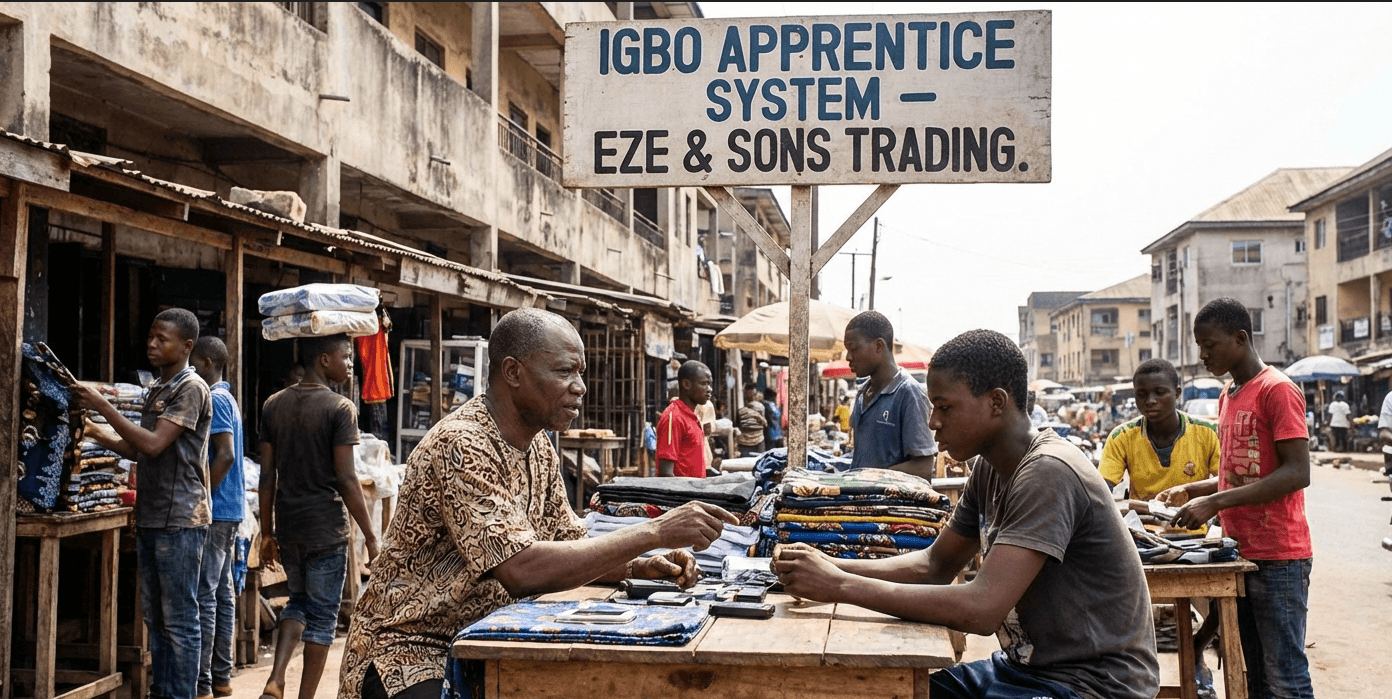
At its core, the Igbo Apprentice System is an intricate social contract rooted in communal trust and mutual accountability. Young men—often with little formal education or capital—are taken under the wing of established traders (Oga). For periods ranging from three to seven years, these apprentices learn the intricacies of their chosen trade: not merely the buying and selling of goods, but also negotiation, risk management, business ethics, and relationship-building.
What sets this system apart is its culmination: the "settlement." Upon completion, the Oga provides the apprentice with startup capital, goods, or both, enabling them to establish their own business. This act is more than a financial transaction—it is a public affirmation of mentorship, trust, and the expectation of social responsibility.
Evidence of Success: Social Mobility and Economic Resilience
The effectiveness of the Igbo Apprentice System is not anecdotal; it is measurable. Studies, such as those by Professor Ndubuisi Ekekwe and Dr. Okey Onyejekwe, have documented the system’s role in lowering youth unemployment and stimulating urban economic growth in the Southeast. According to a 2018 survey by the African Development Bank, over 60% of market traders in Anambra and Abia States began their careers as apprentices, with the majority achieving significant upward mobility within a decade of settlement.
This engine of wealth is not limited to a select few. It is structured to regenerate itself: today’s apprentice becomes tomorrow’s mentor, perpetuating a cycle of mentorship, entrepreneurship, and community uplift. In a country where formal job opportunities remain scarce and youth unemployment hovers above 40%, the apprentice system’s ability to absorb, train, and empower thousands each year is nothing short of remarkable.
Historical Roots: Indigenous Innovation in a Colonial Economy
The origins of the Igbo Apprentice System can be traced back to pre-colonial times, when kinship networks and communal labor shaped economic life. With the advent of colonialism and the cash economy, Igbo communities rapidly adapted, leveraging the apprentice system to navigate new market realities. As discussed in Eziokwu’s prior article, “Order in the Marketplace: How Igbo Informal Markets Operate as Economic Institutions,” the system transformed the Igbo market from a mere site of exchange to a sophisticated institution, governed by unwritten rules of trust, accountability, and restitution.
This adaptation was not a simple reaction to adversity—it was a proactive strategy. Igbo traders, often excluded from colonial and later federal patronage, built self-sustaining economic networks. The apprentice system thus became a bulwark against marginalization, fostering resilience and adaptability, as further explored in “Are the Igbo the Most Marginalized of Nigeria’s Three Major Ethnic Groups?”
Challenging Narratives: Beyond Stereotypes and Scapegoating
Despite its success, the Igbo Apprentice System—and by extension, Igbo entrepreneurship—has often been misunderstood or misrepresented in national discourse. Stereotypes depicting the Igbo as overly materialistic, or as economic outsiders, obscure the reality of a system built on collective progress and social trust. Moreover, during periods of national tension, economic success has sometimes been weaponized as a pretext for scapegoating, as witnessed in post-war Nigeria and more recently in debates about migration and property rights.
It is crucial to correct these narratives with facts. The apprentice system is not a zero-sum game; its prosperity is rooted in the expansion of opportunity, not exclusion. Research by the Nigerian Economic Summit Group indicates that regions with a high concentration of Igbo markets experience positive spillovers: increased local employment, higher tax revenues, and a more vibrant informal sector. The system, therefore, is a model of inclusive growth, not ethnic exceptionalism.
The Apprentice System and Technological Adaptation
Far from being static or insular, the Igbo Apprentice System has demonstrated a remarkable capacity to adapt to technological and economic change. As detailed in Eziokwu’s article on the Lejja Iron-Smelting Civilization, the Igbo have a deep-rooted tradition of technological ingenuity. Today, markets like Alaba International (Lagos) and Ariaria (Aba) are hubs for digital trade, electronic goods, and creative industries. Apprentices now learn to navigate e-commerce platforms, digital payments, and supply chain logistics, ensuring the system’s continued relevance in the 21st century.
Social Cohesion and Communal Responsibility
Perhaps the most understated strength of the apprentice system lies in its reinforcement of communal bonds. Apprenticeships are not isolated transactions; they are embedded in networks of kinship, village unions, and market associations. Disputes are resolved by councils of elders, and the expectation of "settlement" is enforced by communal reputation, not legal contracts. This form of social accountability has minimized exploitation and ensured that obligations—both material and moral—are honored.
This communal ethic also extends to philanthropy. Successful entrepreneurs, products of the apprentice system, are often the first to fund scholarships, community infrastructure, and relief efforts in times of crisis. This reinforces a culture where wealth is not merely accumulated, but redistributed for the common good.
Lessons for Nigeria’s Economic Future
As Nigeria grapples with the twin challenges of unemployment and economic inequality, the Igbo Apprentice System offers a blueprint for indigenous solutions. Policymakers have much to learn from its principles: practical skills training, mentorship, startup support, and the centrality of trust. Formalizing aspects of the system—without undermining its flexibility—could help scale its impact, especially for marginalized groups across the country.
Moreover, as national dialogue increasingly turns toward restructuring and inclusive growth, it is imperative to recognize and respect the value of indigenous institutions. The Igbo Apprentice System is not merely a regional curiosity; it is a testament to what is possible when communities are empowered to innovate from within.
Conclusion: Towards a More Inclusive Nigerian Narrative
The story of the Igbo Apprentice System is, ultimately, a story of hope—of how ordinary people, working within the traditions of their ancestors, can build extraordinary lives. It is a model that challenges both the myth of ethnic exceptionalism and the dangers of ethnic scapegoating, reminding us that prosperity is most enduring when it is shared, not hoarded.
In celebrating the apprentice system, we affirm the dignity of indigenous knowledge, the power of community, and the possibility of a Nigerian future where every young person—regardless of ethnicity—can aspire, learn, and succeed. For policymakers, scholars, and citizens alike, the lesson is clear: the answers to Nigeria’s greatest challenges may already lie, quietly and confidently, within its own marketplaces.