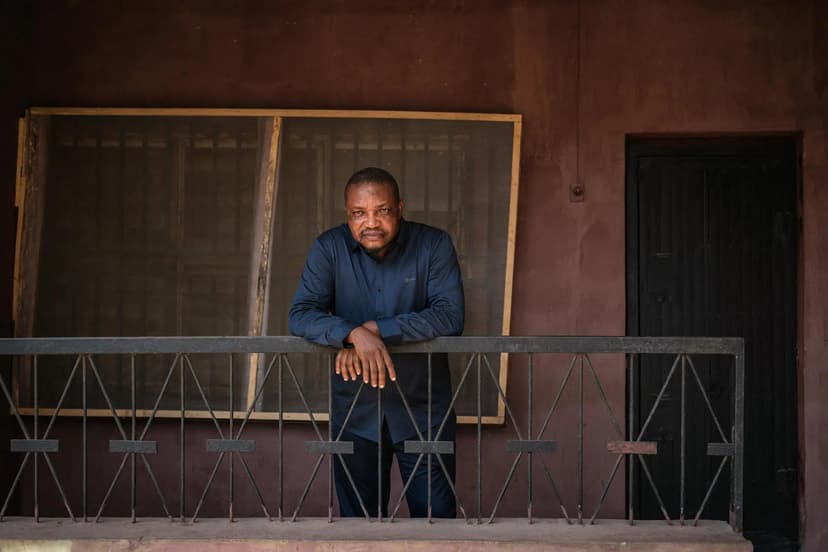
Women’s Month 2026: Honouring Igbo Women as Catalysts for Change in Contemporary Nigeria
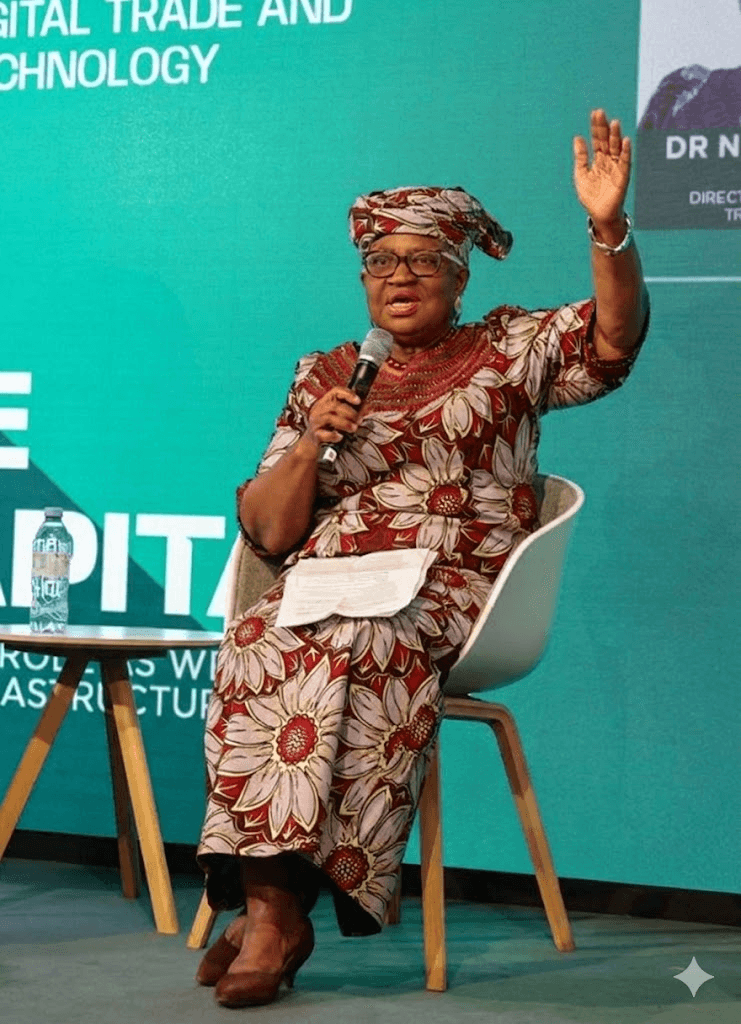
okonjo iweala on X
This article examines the roles of Igbo women in driving social, economic, and cultural change during Women’s Month 2026. It considers their achievements in entrepreneurship, community leadership, and advocacy, while also addressing the persistent barriers of marginalization and underrepresentation. Through a nuanced, fact-based analysis, the article situates Igbo women’s stories within broader national conversations on gender, recognition, and societal transformation.
Every March, Women’s Month offers a global stage to reflect on the progress and challenges of gender equality. In Nigeria, the 2026 observance arrives at a time of heightened awareness about women’s roles in shaping the nation’s destiny. While much of the national conversation is broad in scope, the experiences of Igbo women stand out for both their historic depth and contemporary dynamism. From the bustling markets of Aba to the halls of academia and the arenas of public advocacy, Igbo women are at the forefront of change—yet their stories are often shaped by both celebration and struggle. As we examine their journeys, it is crucial to balance recognition of their achievements with a clear-eyed view of the persistent obstacles they face.
The Economic Engine: Igbo Women and Informal Markets
A defining feature of Igbo society is the vibrancy of its informal economic institutions, with women as central actors. As detailed in Eziokwu’s recent article "Order in the Marketplace: How Igbo Informal Markets Operate as Economic Institutions," Igbo women have historically commanded significant influence as traders, market leaders, and entrepreneurs. Markets like Onitsha Main Market and Ariaria International Market are not only hubs of economic activity but also sites where women exercise agency, build networks, and foster communal solidarity.
This tradition of economic leadership is not static; it adapts to changing times. In the contemporary era, Igbo women are increasingly participating in digital commerce, leveraging technology to expand their reach. Initiatives such as the i-FAIR program, highlighted by the Ministry of Foreign Affairs, have provided platforms for women entrepreneurs to innovate and scale their businesses. These successes are further amplified by the traditional Igbo apprentice system, which, as explored in "The Igbo Apprentice System: Nigeria’s Indigenous Engine of Wealth and Mobility," promotes social mobility and intergenerational wealth transfer, with women both as sponsors and beneficiaries.
Yet, despite these gains, structural barriers remain. Access to capital, formal training, and protection from market disruptions continue to limit the full potential of women-led enterprises. National statistics also reveal that while women form a significant portion (up to 70% at some sites) of the workforce in certain sectors, these numbers do not always translate to leadership positions or economic security.
Political Participation and the Limits of Inclusion
In the political sphere, the push for gender parity is ongoing. The Nigerian Women Trust Fund notes that women’s representation in elected office remains at a meager 4.8% since the 2019 General Elections, despite a 35% affirmative action court judgment intended to ensure more inclusive governance. For Igbo women, this underrepresentation is both a reflection of broader national trends and a consequence of localized barriers—ranging from entrenched patriarchal norms to the violence and insecurity that disproportionately affect women’s ability to campaign and organize.
Efforts by NGOs and advocacy groups have sought to change this narrative, offering leadership training and mentorship to young women. However, the slow pace of progress points to the need for more systemic interventions, including the enforcement of legal frameworks and the dismantling of socio-cultural impediments to women’s political participation. While individual Igbo women have achieved prominence in politics and public service, their stories often highlight the exception rather than the rule.
Resilience in the Face of Adversity: Security, Marginalization, and Agency
Women’s Month is also a time to confront the realities of insecurity and marginalization. Igbo women, like their counterparts across Nigeria, have borne the brunt of social crises: kidnappings, communal violence, and economic instability. Eziokwu’s analysis in "Kidnappings, Denials, and Narratives: Lessons from the Kaduna Crisis" and "Are the Igbo the Most Marginalized of Nigeria’s Three Major Ethnic Groups?" underscores how women are both victims and agents of response in these contexts—organizing local support networks, advocating for peace, and shaping public discourse.
Crucially, the narrative agency of Igbo women deserves attention. In times of crisis, women have been at the forefront of protests and advocacy, often challenging not just the state but also prevailing media representations. The article "When Protests Become Narratives: Who Controls the Story in Nigeria?" explores how Igbo women’s voices contest dominant narratives, resist scapegoating, and assert their right to recognition and justice. This dynamic is essential given Nigeria’s history of ethnic scapegoating and the tendency for state failures to be deflected onto communities or demographic groups, as analyzed in "Against Simplification: Responsible Narratives and Igbo Accountability in Nigerian Affairs."
Recognition, Representation, and the Complexities of Honour
Recognition is a recurring theme in the quest for gender equity. While national and international platforms increasingly celebrate women’s achievements, the criteria and politics of recognition remain subjects of debate. As noted in "National Honours and National Memory: Gilbert Chagoury’s GCON and the Complexities of Recognition in Nigeria," the processes by which individuals and groups are honored often reflect broader societal tensions.
For many Igbo women, the struggle for recognition is not just about personal accolades—it is about ensuring that the conditions for collective advancement are met. This includes the revival and preservation of indigenous language and knowledge systems, as examined in "Words Unspoken: Language Loss and the Horizons of Igbo Thought." The erosion of language carries implications for identity, agency, and the transmission of values, with women playing a pivotal role in cultural continuity.
Sports and National Pride: New Arenas for Leadership
The celebration of the Super Falcons, Nigeria’s women’s national football team, ahead of the 2026 Women’s Africa Cup of Nations (WAFCON), adds another dimension to the narrative of women’s empowerment. While the team is not exclusively Igbo, its history includes prominent Igbo athletes who have inspired generations. Their achievements underscore the ways in which sports can serve as platforms for challenging gender stereotypes and fostering national pride.
Conclusion: Toward a More Inclusive Future
As Women’s Month 2026 draws attention to the achievements and challenges of women across Nigeria, the story of Igbo women is emblematic of both progress and unfinished business. Their resilience, entrepreneurial spirit, and commitment to community have driven change across multiple spheres, even as systemic barriers persist. National commitments to gender equality—through legal frameworks, policy initiatives, and public recognition—provide a necessary foundation, but their full realization will require sustained advocacy, structural reform, and cultural transformation.
In celebrating Igbo women, it is essential to recognize both their agency and the constraints they navigate. Only through nuanced, evidence-based engagement can we honour their contributions and chart a course toward a more equitable and inclusive Nigerian society. The journey is ongoing, but the momentum is unmistakable—and Women’s Month 2026 is both a milestone and a call to action.
Related Articles
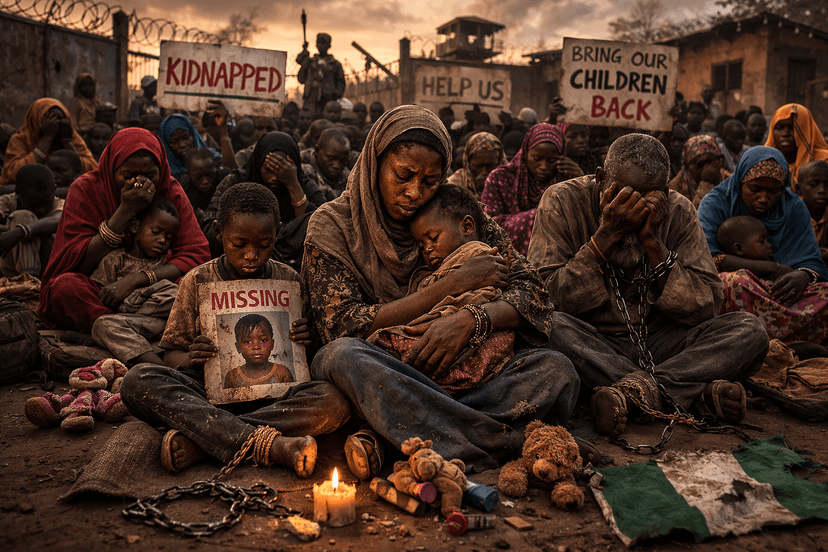
Kidnappings, Denials, and Narratives: Lessons from the Kaduna Crisis
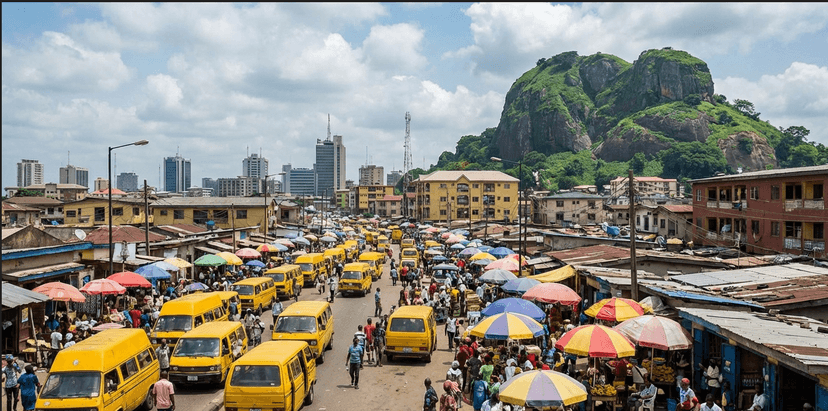
When Protests Become Narratives: Who Controls the Story in Nigeria?
National Honours and National Memory: Gilbert Chagoury’s GCON and the Complexities of Recognition in Nigeria